Why study this course
Keep your career aims and options open as you study education in its broadest sense, from the development of the youngest children to how adults learn.
You’ll gain invaluable classroom practice and will have flexible opportunities to experience other educational settings through up to 9 weeks of work-based placements.
Progressing into Teaching? FREE pre-teaching course and guaranteed interview for PGCE.
Want even more flexibility? Choose from multiple degree combinations with Education Studies, keeping your career pathway open, whilst also being excellent preparation for PGCE courses. secondary education.
Course summary
Studying Education Studies at Lincoln Bishop will provide you with an excellent understanding of education in its widest sense, nationally and globally, and is a great course if you are interested in a career in teaching or are thinking about working in other education-related areas.
Please note, this course is currently going through revalidation.
Key facts
|
Award |
BA (Hons) |
|---|---|
|
UCAS code |
X31F |
|
Duration |
4 years |
|
Mode of study |
Full time |
|
Start date |
September 2026 |
|
Award |
Lincoln Bishop University |
|
Institution code |
B38 |
Apply for this course
When you're ready to apply, the route you take will depend on your personal circumstances and preferred method of study. Click the relevant button below to start your application journey.
About this course
How do people learn? What gets in the way of learning? Where might people learn best – and how? Do we need schools? Is it possible to ‘school’ the world? Can education make a difference to human rights? Women's rights? Nationally? Globally? These are just some of the big questions that you will examine through studying Education Studies at Lincoln Bishop University. We are proud of our highly contemporary, reactive and issues-based course that has been carefully designed to give you that ‘bigger’ picture of education in a global society. An Education Studies degree from Lincoln Bishop will equip you well for the future, no matter what your career destination, but if you are planning to go on to teach you will find that our modules will open your eyes to some different ways of thinking about education and its purpose and place in society.
Studying Education Studies with us will provide you with an excellent understanding of education in its widest sense, nationally and globally, and is a great choice if you are interested in a career in teaching or are thinking about working in other education-related areas. The undergraduate degree provides you with a deep and reflective knowledge and understanding of contemporary issues in education, directly related to everyday practice. You’ll debate education policy, find out more about the drivers of educational change in England today and critically consider different approaches to schools and schooling, both within the UK and globally.
A key feature of Education Studies is a focus on you as a developing practitioner. You will be encouraged to develop a strong personal ideology of education during the course and will be supported in the development of secure employability skills through our work-based placements. A number of core modules each year incorporate placements in schools or other education-related settings and carefully structured placement tasks will ensure that you gain valuable first-hand practical experience.
Scheduled Teaching Hours
The Foundation Year is the first year of a four-year undergraduate degree and provides a pathway to undergraduate study for students who do not have the typical qualifications required for direct entry to Level 4. As an integrated Foundation Year it does not carry credits, as the purpose of the year is to facilitate students’ progression to Level 4 of their chosen undergraduate degree programme [see Undergraduate].
The delivery of the scheduled hours for the programme includes taught and independent study and is designed to support the needs of learners on Foundation Year programmes as they transition to the requirements of Higher Education study. Material is delivered in both face-to-face and asynchronous formats, totalling 176 hours of taught input, and includes both core academic skills training and additional input from subject specialists. Contact hours in taught sessions are complemented by an extensive support curriculum that operates through the year, typically comprising, but not limited to, additional tutorials, catch-up sessions, study groups, and personal support.
What you will study
As a student on this course, you may study some or all of the modules listed below.
In this module, you will gain theoretical understanding and employthe practical application of core academic skills. You will understand the definition and importance of academic integrity and explore the key skills required for effective academic practice. You will develop skills in academic and information literacies, including the ability to locate, evaluate, and reference academic sources. The module will provide guidance and practice on academic writing conventions, critical reading strategies, reflective practice, and effective communication skills. You will consider these skills in the context of your chosen subject area and will engage in a range of learning approaches and opportunities, including tutorials and peer learning
In this module, you will identify and develop personal tools for effective learning as a student in Higher Education. The nature and purpose of Higher Education will be explored, including developing an understanding of independent and autonomous learning. You will
reflect on your own skills as a learner and learn how to establish goals for self-development. A range of functional, organisational, and practical skills to support learning will be introduced, including time management, personal organisation, and professional etiquette. You will also engage in development of your digital skills to enable effective use of digital learning tools in your studies.
In this module, you will define critical thinking and engagement and learn how to apply these in the construction of an academic discussion. You will explore practices to develop critical thinking and learn how to research, construct, and defend an academic argument. You will practise critical engagement with academic sources as part of research and begin developing skills of summary and synthesis to support your own arguments. You will apply critical thinking and engagement skills to an area of inquiry in your chosen subject area.
In this module, you will explore the nature and use of documentary and evidence-based sources within academic practice. The module is interdisciplinary, allowing you to investigate a variety of evidentiary sources such as documentary sources, case studies, archival material, and policy. You will begin to learn to analyse and evaluate such sources critically and to consider them within the broader context of academic research. The use of documentary and evidence-based research across disciplines will be explored, analysed, and evaluated critically.
In this module, you will explore the nature and use of data within academic practices. The module is interdisciplinary, allowing you to investigate a variety of data sources and types, including qualitative and quantitative. You will begin to learn to interpret, analyse, and represent data in a meaningful way. You will learn about different methods of data collection and the use of data across disciplines will be explored, analysed, and evaluated critically.
In this interdisciplinary module, you will explore key ideas, theories, and philosophies that underpin a range of academic disciplines. You will learn how these ideas developed and influenced thinking and evaluate their importance within the context of an academic discipline. The module will explore how such ideas have evolved over time and their influence both on academic practice and broader contexts. You will develop and apply skills of critical analysis to discuss and evaluate the ideas and theories, and have the opportunity to explore them in depth in relation to your chosen subject area
In this interdisciplinary module, you will explore the role and impact of academic practices within the context of local communities. You will explore the social purposes of education, specifically Higher Education, and consider how academic research intersect with community and social practices. The module will explore how different academic disciplines can provide insight and enable interventions into local communities. You will develop and apply skills of critical analysis to explore a topic of local interest in relation to your chosen subject area.
Building on the fundamental concepts of learning introduced previously in Level 4, this module focuses on the sociology of education and learning, and, primarily, how academic achievement and educational inequality is shaped by society and educational structures. The module provides teaching and classroom-based experiences through which the impact of a variety of sociological factors, such as socio-economic group, gender, ethnicity and human rights can be better understood. Relevant theories and approaches to explaining differences in attainment will be studied, together with an exploration of factors that might contribute to narrowing gaps in educational outcomes. As part of this module you may be expected to investigate and analyse a range of published sources of data on educational attainment and interventions and so learn to interpret and explain data presented in different ways. You will also undertake a placement that will enable you to apply knowledge gained in the module and further develop your transferable skills of communication and organisation, as well as gain further experiences of supporting learning.
The interlinked yet distinct areas of the brain and the mind continue to be the subject of considerable study, aided by developments in research methods and technological tools. Increasingly knowledge about the brain and the mind is being embedded in education policy and practice. This Level 4 module explores the intersections of neuroscience, pedagogy, policy and psychology though various topics that relate to the brain, the mind and education. It introduces you to areas of the brain that have particular relevance for learning, for example executive functions and the role of working memory, key themes such as the roles of nature and nature in brain development and theories of intelligence such as IQ and Multiple Intelligences. Additionally, the module goes beyond the brain to explore broader theories of cognition connected to the mind, body and environment, for example embodied cognition. Throughout the module topics about the brain and the mind will be related to education so you will critically consider implications for teaching and learning and the applicability of theory and research to educational settings. As part of this module you will build your knowledge of education research that will act as a foundation for developing key research skills across the following years of the programme. You will engage with research on the brain and cognition to understand different research methodologies and tools. You will be supported to begin to think critically about research findings by examining the quantity and quality of the evidence that is presented. Additionally, you may identify where issues with the research findings or inaccurate interpretations of these findings have led to myths about the brain gaining currency in educational practice.
Unlock the secrets to effective learning! This module explores how we learn, offering innovative approaches and tools to help you and your future learners become lifelong, independent thinkers. Perfect for anyone passionate about inspiring curiosity and resilience in education.
Step into the fascinating world of child development. This module delves into the milestones, challenges, and wellbeing of children, equipping you to support their growth holistically. Ideal for those who want to make a real difference in young lives.
Compulsory modules
How did schools come to assume their present form and function? Who were the architects of ideas about education? An understanding of ways in which different ideas about education have variously shaped policy and practice, both in the UK and worldwide will enable you to develop knowledge and understanding of the ‘bigger’ picture of education; beyond that of your immediate and most recent experience. This highly responsive and contemporary module builds on concepts from Level 4 and examines a range of different ideas about the purpose and practice of education, including those of the most recent Government, relating these to some common educational ideologies. It considers a variety of ways in which the purpose and outcomes of education may be interpreted, and the diversity of settings in which it may take place.
Successful teaching involves educators being deliberate, thoughtful and purposeful in their decisions and actions. Choices and decisions about how to teach are constantly under scrutiny and are increasingly driven by national and international data. This module will build on the understanding of learners and learning developed at level 4, underpin concepts of innovative teaching and learning approaches introduced at level 5 (in semester 2); and will critically examine a range of views of effective pedagogical practice drawn from contemporary research. The syllabus will respond as necessary to contemporary developments as they arise drawing on international, national and comparative research. It may include social pedagogical approaches such as dialogic teaching, pupil talk, group work and other interactive teaching and learning approaches.
Become a champion for children’s safety and welfare. This essential module covers safeguarding principles, policies, and practices, ensuring you’re prepared to protect and advocate for vulnerable individuals in educational and care settings.
Dive into the world of educational research! This module introduces you to key research principles and skills, giving you the tools to investigate, analyse, and contribute to best practice in education and care.
Champion equality and inclusion in education. Explore how social justice shapes learning environments and discover strategies to break down barriers, ensuring every learner feels valued and supported.
Optional modules
Embark on your journey to professional excellence. This module guides you through the values, ethics, and behaviours that define outstanding educators and practitioners, helping you to develop a strong professional identity and confidence.
Compulsory modules
This module will build on (EDU50322) Vision to Reality and introduce you to a further range of contexts and settings for learning, examining these from the perspective of educators and learners, policy and practice. Throughout the module you will be encouraged to consider and appreciate the scope and limitations of education within a variety of teaching and learning environments and organisations. You will be introduced to a wider and more complex range of research and theory related to the benefits and limitations of teaching and learning in informal and alternative learning environments alongside the unique personal embodiment / impact of these on the overall experience of learners and educators. You will consider how pedagogical approaches are utilised in these contexts and how such contexts are positioned in contemporary educational policy. You will develop and apply skills of critical analysis in module sessions and independent learning. First hand experiences of different learning contexts through study visits and work with visiting experts will be threaded through the module as a basis for comparison, analysis, evaluation and reflection.
Excellence and innovation in curricula are a central tenet of any world class education system. This highly responsive module provides you with a theoretical and critical understanding of key considerations in the development and implementation of curriculum policy, content and practice in educational settings. The module considers future developments in the current curriculum and possible alternative future directions. It provides you with an opportunity to study this at first hand in placement settings. A range of theoretical approaches to the curriculum will be critically examined. The syllabus may include topics such as differing views of the nature and organisation of knowledge, and examination of various curriculum frameworks, including aims, content and contemporary views of pedagogy. These will vary over time in order to ensure that the module is responsive to new developments and future directions in education for instance decolonising of the curriculum and environmental education. Innovative practice from inspirational educational settings may be showcased in order to provide models of excellence. Placement will allow you to gain real-world experiences of current curriculum arrangements.
Broaden your horizons with a global outlook on education. This module examines worldwide trends and future challenges, preparing you to innovate and lead in an ever-changing educational landscape.
Take your research skills to the next level. Learn how to structure impactful studies, analyse data, and present findings that shape educational practice and policy.
Bring your knowledge to life in this dynamic capstone module. Tackle complex problems, demonstrate your skills, and make a meaningful contribution to the field of education.
Broaden your horizons with this dynamic module that takes you on a global journey through education! Explore diverse educational systems, cultures, and philosophies from around the world. You will critically examine international policies and practices, gaining insights into how global perspectives can inspire positive change in local contexts. Ideal for students eager to become globally minded educators and leaders.
Optional modules
This module will build on (EDU50322) Vision to Reality and introduce you to a further range of contexts and settings for learning, examining these from the perspective of educators and learners, policy and practice. Throughout the module you will be encouraged to consider and appreciate the scope and limitations of education within a variety of teaching and learning environments and organisations. You will be introduced to a wider and more complex range of research and theory related to the benefits and limitations of teaching and learning in informal and alternative learning environments alongside the unique personal embodiment / impact of these on the overall experience of learners and educators. You will consider how pedagogical approaches are utilised in these contexts and how such contexts are positioned in contemporary educational policy. You will develop and apply skills of critical analysis in module sessions and independent learning. First hand experiences of different learning contexts through study visits and work with visiting experts will be threaded through the module as a basis for comparison, analysis, evaluation and reflection.
Dive into the fascinating world of how language and literacy shape learning! This advanced module explores the vital connections between language development, literacy skills, and educational practice. You will investigate current research, innovative strategies, and practical approaches that empower learners of all ages to become confident communicators and critical thinkers. Perfect for those passionate about making a real difference in language education.
Entry requirements
Application for this course is via UCAS, although there is no formal requirement for UCAS points to access the course (normally GCSE English or equivalent is desirable). As part of your application you will have the opportunity to speak with a member of Lincoln Bishop Admissions staff to resolve any questions or queries you may have.
Different degree subjects may have specific entry requirements to allow you to progress from the Foundation Year. Whilst not a condition of entry onto the Foundation Year, you will need to have met these by the time you complete the first year of this four year course.
If you are asked to undertake a Disclosure and Barring Service (DBS) check as part of the conditions of your offer, this must be completed prior to the start of your course at a cost of £57.20.
Further information
The Foundation Year syllabus does not include any specific element of upskilling in English language and you are not entitled to apply for Accredited Prior Learning, AP(C)L into a Foundation Year.
How you will be taught
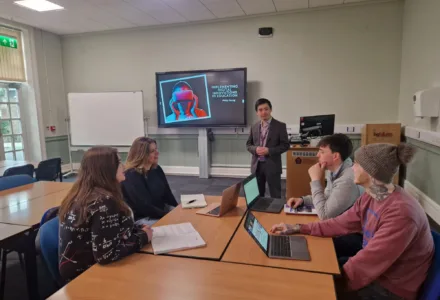
There is no one-size-fits-all method of teaching at Lincoln Bishop – we shape our methods to suit each subject and each group, combining the best aspects of traditional university teaching with innovative techniques to promote student participation and interactivity.
Academic staff
Assessment
In Education Studies, assessment is carried out through coursework of different types, including essays, reports, oral presentations, multimedia presentations, reflective logs and portfolios. There are no examinations. You can expect to give one or two oral presentations or poster presentations as one of a small group of students throughout the course. You will gradually build up skills of multimedia presentation and third-year students currently share a short, assessed multimedia film to their peers. You will build up your writing skills steadily throughout the course and in the first year, you will complete a portfolio of shorter written pieces and two longer essays, receiving formative feedback from your tutors to help you build up your academic capabilities.
Careers & Further study
The depth and scope of the topics we cover, together with regular work-based placements, means that Education Studies graduates enjoy very high levels of employability in a wide range of fields. Currently, around 70% of our students complete a teacher training course and go on to be highly successful teachers in early years, primary, secondary or further education, working in the UK or abroad.
However, an Education Studies degree from Lincoln Bishop offers excellent versatility. It prepares you for direct employment in education-related fields, as well as jobs within the public and private sector. Our graduates have also gone on to have successful careers in diverse areas such as museums, galleries and charities, human resources, youth work, outdoor education, higher education administration and health and social care.
The diverse nature of this course will also enable you to go onto further postgraduate study, with previous students following this route to occupy roles such as social workers, speech and language therapists, higher education researchers and lecturers, mental health counsellors and drama therapists.
What Our Students Say
Discover what life is like at Lincoln Bishop University from our students.
Fees & Funding
A lot of student finance information is available from numerous sources, but it is sometimes confusing and contradictory. That’s why at Lincoln Bishop we try to give you all the information and support we can to help to throughout the process. Our Student Advice team are experts in helping you sort out the funding arrangements for your studies, offering a range of services to guide you through all aspects of student finance step by step.
Undergraduate course applicants should apply via UCAS using the relevant UCAS code. For 2026 entry, the application fee is £28.95, and you can make a maximum of 5 choices.
For the 2025 cycle, UCAS is removing the undergraduate application fee for any student who is/or has received Free School Meals (FSM) during the last six years, up until the end of their final year at school or college. More information on the UCAS fee waiver can be found here.
For all applicants, there are full instructions at UCAS to make it as easy as possible for you to fill in your online application, plus help text where appropriate. Full details of all tuition fees can be found here.
34 Related courses

Education Studies and TESOL with Foundation Year

PGCE Secondary
PGCE
PGCE Secondary
Professional Graduate Diploma in Education (Teaching Post-16 and Further Education)

Professional Graduate Diploma in Education -Teaching Post-16 and Further Education (SEND)

EdD (Doctorate of Education)

Education Studies and English with Foundation Year
Education Studies and English
BA (Hons)
Education Studies and English
Education with TESOL

Primary Education with QTS
BA (Hons)
Primary Education with QTS
Primary Teaching Studies with QTS
BA (Hons)
Primary Teaching Studies with QTS
Assessment Only Route to QTS (Primary and Secondary)
Teacher Training
Assessment Only Route to QTS (Primary and Secondary)
Education Studies and Sociology
BA (Hons)
Education Studies and Sociology
Education Studies and Sociology with Foundation Year

Education Studies and Theology, Philosophy & Ethics with Foundation Year
Education Studies and Theology, Philosophy & Ethics

FdA Early Childhood Education in Practice (Grantham)
FdA Early Childhood Education in Practice (LETTA)

FdA Education in Practice (Grantham)

FdA Education in Practice (LETTA)

Education Studies
BA (Hons)
Education Studies
Education Studies and History
BA (Hons)
Education Studies and History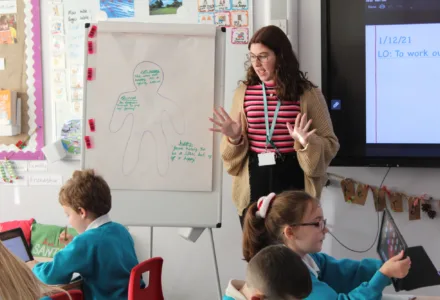
Education Studies and Special Educational Needs, Disability & Inclusion (SENDI)

Education Studies and Sport
BA (Hons)
Education Studies and Sport
Education Studies and TESOL
BA (Hons)
Education Studies and TESOL
Psychology and Education Studies
BA (Hons)
Psychology and Education Studies
Education Studies and History with Foundation Year

Education Studies and Special Educational Needs, Disability & Inclusion (SENDI) with Foundation Year
Education Studies and Sport with Foundation Year
Psychology and Education Studies with Foundation Year

Education
MA
Education
Education (English as an Additional Language)

Early Years Education

Educational Leadership and Management

Special Educational Needs and Disabilities (SEND)